
INTERNATIONAL FINANCIAL CENTRE: UNLOCKING CAPITAL FLOWS AND CREATING NEW MOMENTUM FOR NATIONAL DEVELOPMENT
Posted on 12/08/2026
At the National Assembly’s morning discussion on August 11, 2026, on the draft Urban Development Law, many National Assembly deputies focused their comments on Article 23 concerning the development of the International Financial Centre. The discussions emphasized the need to establish a comprehensive framework enabling the Centre to effectively mobilize, allocate, and channel international capital, connecting global capital markets with the development needs of businesses, projects, and localities across Vietnam.
Following the issues discussed at the National Assembly on August 7, the morning session on August 11 delved further into the mechanisms for developing the International Financial Centre under Article 23 of the draft Urban Development Law.
The discussions focused on the Centre’s core role in mobilizing and channeling capital; its ability to connect international financial services with domestic businesses and projects; mechanisms for mobilizing capital to support development; and the need to establish an appropriate legal framework that enables the Centre to operate effectively in practice.
The International Financial Centre Must Serve as a Hub for Mobilizing, Allocating, and Channeling Capital
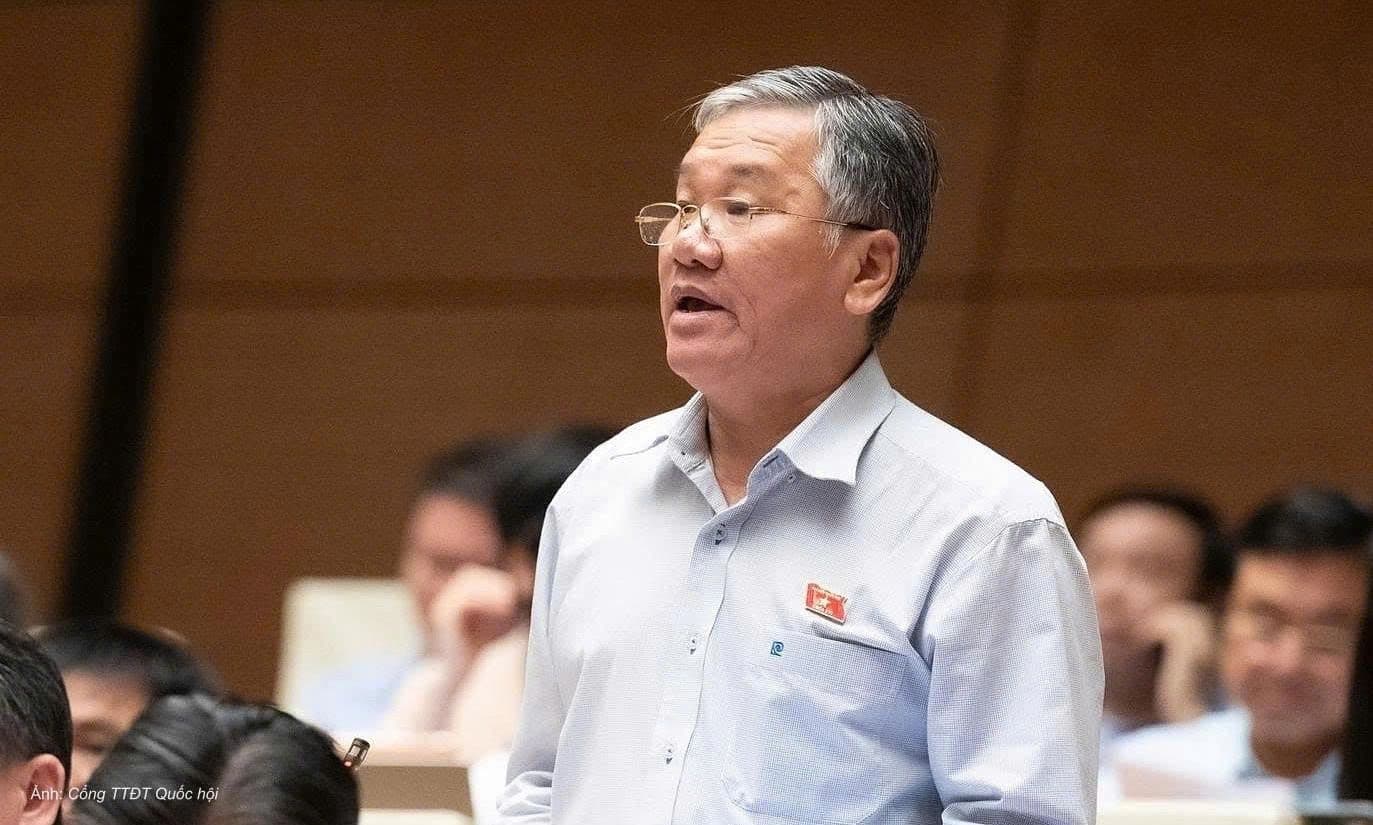
Speaking during the discussion, Deputy Trinh Ngoc Phuong (Tay Ninh) expressed strong support for the adoption of the Urban Development Law, including the incorporation of policies for developing the International Financial Centre in Ho Chi Minh City into the draft Law and their specification under Article 23.
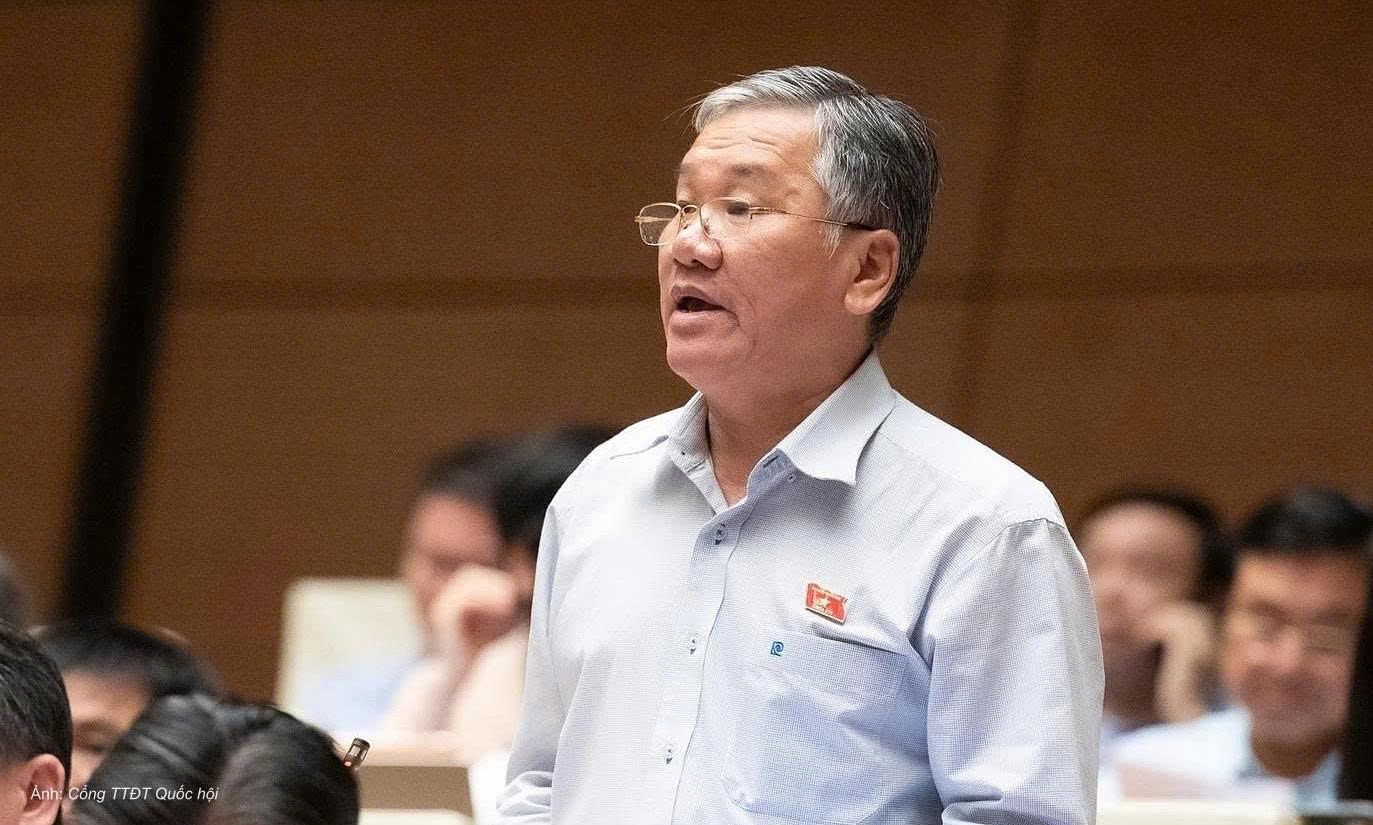
According to the Deputy, the success of an International Financial Centre should not be measured solely by the number of banks, investment funds, or international financial institutions it attracts. More important is its ability to connect international capital markets with Vietnam’s economy.
“The success of the Centre should not be assessed solely by the number of banks, investment funds, or international financial institutions it attracts. What matters most is its ability to connect international capital markets with Vietnam’s economy, and to mobilize and channel that capital into development activities.”
Accordingly, the Deputy proposed that the Centre’s mechanisms be established in law to create a financial ecosystem capable of connecting international sources of capital with the financing needs of Vietnam’s economy, particularly sectors and projects requiring medium- and long-term capital.
Sharing this view on the Centre’s capital-channeling function, Deputy La Thanh Tan (Hai Phong) stated that the International Financial Centre should not be viewed as an isolated component, but rather as a core element in the development of a special urban area such as Ho Chi Minh City.
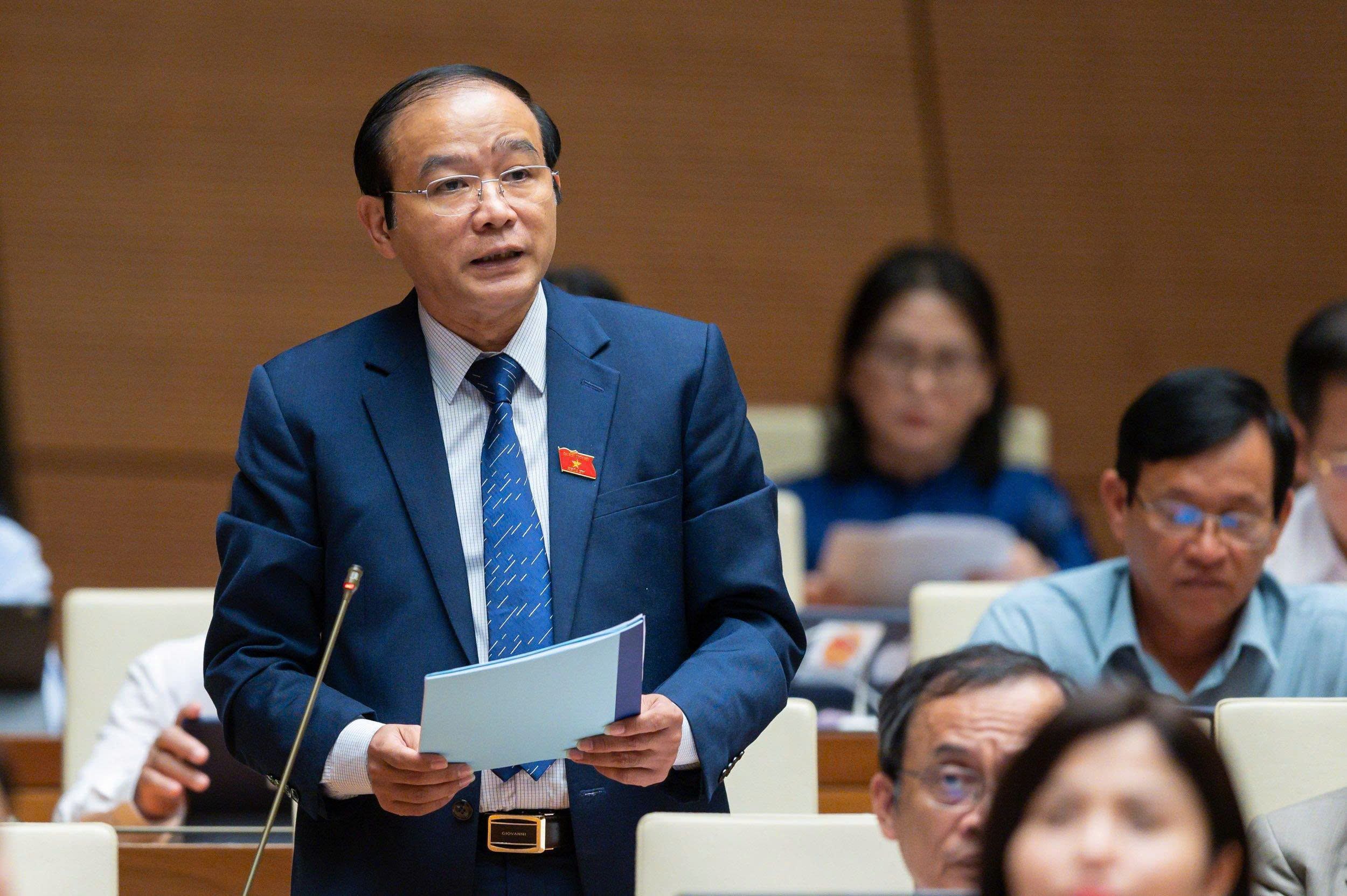
“The essence of an international financial centre is to serve as a capital hub — attracting and channeling international capital into the domestic economy, rather than merely providing a location for foreign financial institutions to establish their headquarters.”
According to the Deputy, the ability to mobilize and channel international capital is one of the key drivers of urban economic activity and development. Incorporating the International Financial Centre into the Urban Development Law would also provide a basis for building upon and supplementing the existing legal framework, while granting the city government additional institutional tools.
Ensuring Capital Flows Reach the Broader Economy
A key issue receiving particular attention from the deputies was the Centre’s ability to connect its activities with businesses and projects across the domestic economy.
Deputy Trinh Ngoc Phuong noted that the International Financial Centre should not become an “island” disconnected from the domestic economy. While allowing Centre members to provide services to domestic organizations and individuals for transactions and international capital raising is necessary, a more substantive operating mechanism should also be developed.
According to the Deputy, when Vietnamese businesses have infrastructure, technology, or innovation projects requiring international capital, they should be able to access Centre members for services including capital structuring advisory, international fundraising, bond issuance, project finance, connections with international investment funds, and other appropriate financial services.
If international capital remains confined to the activities of Centre members without being effectively connected to domestic businesses and projects, the Centre’s role in channeling capital will remain limited.
“This mechanism must be sufficiently clear and sufficiently broad for the Centre to genuinely serve as a bridge between international capital markets and Vietnam’s economy.”
From the perspective of access to financial services, Deputy La Thanh Tan proposed supplementing Article 23 in a manner that would allow the Government, the city government, and eligible domestic organizations that meet issuance requirements to use financial and supporting services provided by Centre members, within the scope of their respective licenses, for the issuance, listing, and trading of securities aimed at attracting international capital.
“This is the essential bridge that will enable the international financial centre to truly function as a hinge connecting domestic resources with global capital markets.”
Such a mechanism is expected to contribute to connecting foreign investment flows with the financing needs of infrastructure, technology, and other medium- and long-term development priorities.
Capital Mobilized Through the Centre Should Serve Broader Development Needs
Speaking on Article 23, Deputy Tran Hoang Ngan (Ho Chi Minh City) expressed his support for the provisions concerning the development of the International Financial Centre.
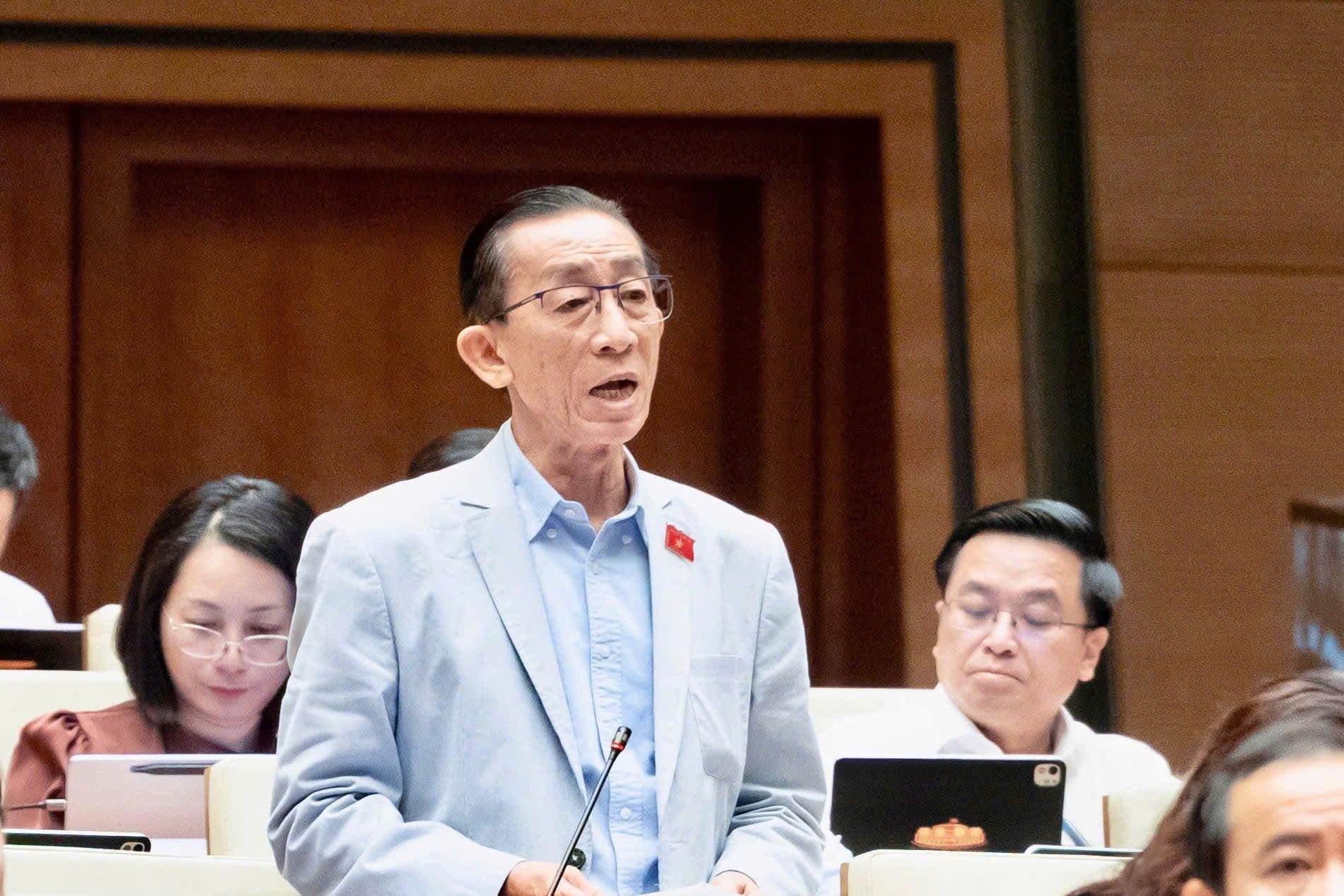
According to the Deputy, establishing provisions under Article 23 would support the process of strengthening the Centre’s organizational structure, attracting talent and human resources, and creating the conditions necessary for the Centre to commence operations at an early stage.
Notably, Deputy Tran Hoang Ngan emphasized that capital mobilized through the Centre should not be limited to meeting the needs of Ho Chi Minh City alone:
“If the Centre has a broad range of mechanisms in place, capital mobilized through the Centre would not only meet the needs of Ho Chi Minh City but could also be mobilized to support localities across the country.”
This perspective complements the points raised by Deputies Trinh Ngoc Phuong and La Thanh Tan regarding the Centre’s role in connecting international sources of capital with the financing needs of Vietnam’s domestic economy.
Greater Capital-Mobilization Authority Must Be Accompanied by Accountability and Oversight
Alongside calls to expand the ability to mobilize and channel capital, the discussions also highlighted the importance of accountability, capital-flow oversight, and financial safety.
Deputy Trinh Ngoc Phuong supported granting Ho Chi Minh City additional tools to mobilize medium- and long-term capital through the International Financial Centre, including the draft provision granting the Ho Chi Minh City People’s Council authority over the issuance of municipal bonds and project bonds at the Centre to raise capital for key projects.
However, the Deputy called for clear provisions regarding the issuing entities, purposes of capital use, borrowing limits, debt repayment obligations, and the responsibilities of the city, ensuring consistency with regulations on public finance and local debt safety.
“The greater the authority, the clearer the responsibility and oversight must be.”
According to the Deputy, stronger oversight does not mean narrowing the scope of special mechanisms. Rather, it is a prerequisite for granting Ho Chi Minh City greater authority while linking these mechanisms to accountability, capital-flow monitoring, and financial safety.
Continuing to Strengthen the Legal Framework for the International Financial Centre
The deputies also presented different perspectives on the appropriate legal approach for the International Financial Centre.
Deputy La Thanh Tan stated that Article 23 builds upon and supplements the legal framework established under National Assembly Resolution No. 222/2025 and its implementing regulations. In his view, incorporating the Centre into a law, rather than relying solely on a resolution, would contribute to establishing a more stable and long-term legal framework.
From a different perspective, Deputy Pham Van Hoa (Dong Thap) noted that the International Financial Centre is an important area that is already governed by Resolution No. 222 and therefore proposed that the drafting committee continue to study whether provisions concerning the Centre should be incorporated into the draft Urban Development Law.
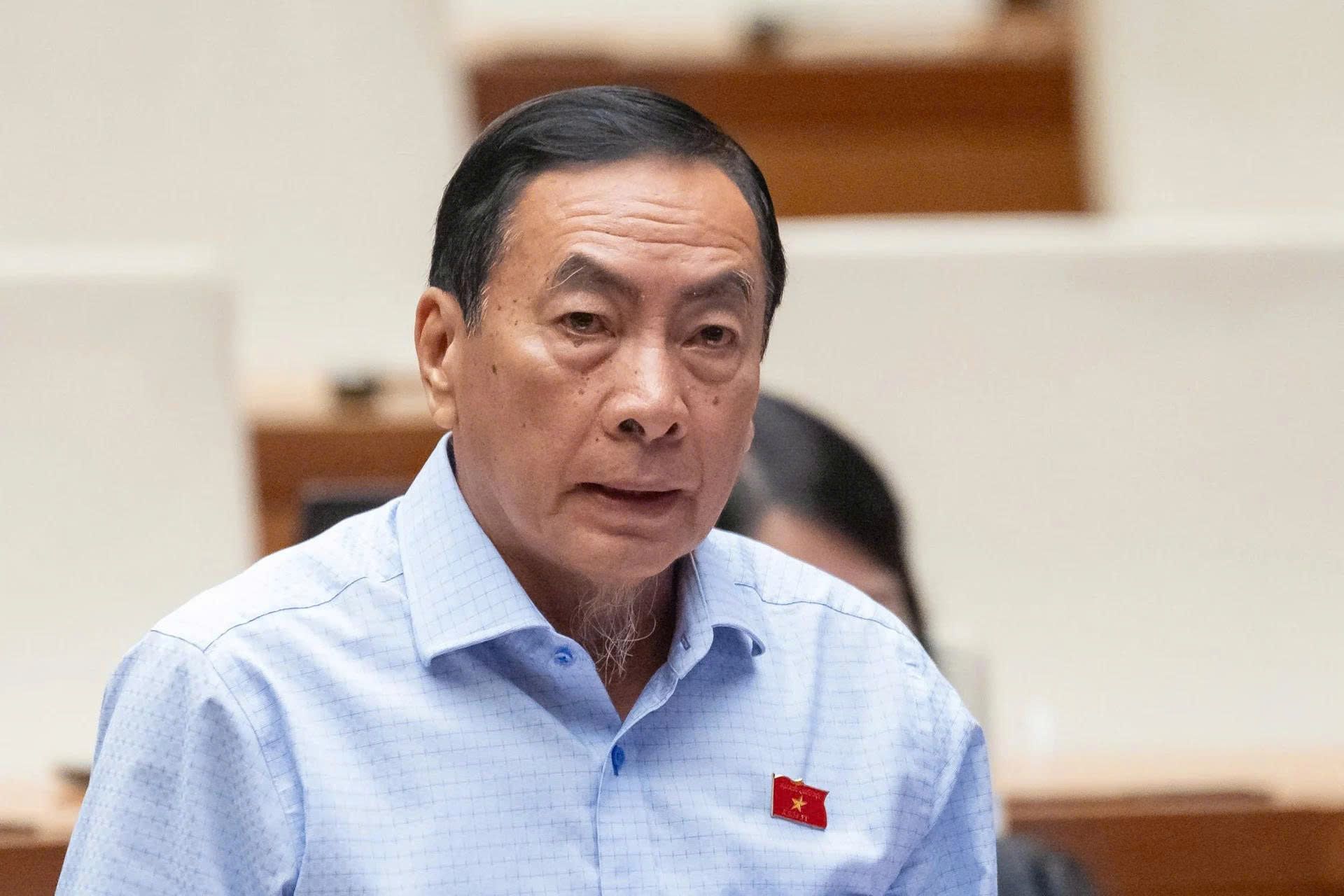
According to the Deputy, after the Government reviews and evaluates the implementation of Resolution No. 222, the development and enactment of a dedicated law on the International Financial Centre for the entire country could provide a more practical and appropriate legal foundation.
Towards a Gateway Connecting Vietnam with Global Capital Markets
The discussions during the session highlighted a common objective: enabling the International Financial Centre to effectively mobilize, allocate, and channel capital, while creating mechanisms through which international financial resources can be meaningfully connected with domestic businesses, projects, and development needs.
Deputy Trinh Ngoc Phuong proposed further refining the draft Law along four key directions: providing Ho Chi Minh City with sufficient tools to mobilize, allocate, and channel international capital; creating mechanisms for international capital and financial services to reach businesses, projects, and key growth drivers; clearly distinguishing between general mechanisms and special mechanisms; and linking expanded authority with accountability, capital-flow oversight, and financial safety.
According to the Deputy, if these objectives are achieved, the International Financial Centre in Ho Chi Minh City:
“Will not merely be a financial centre for the city, but will become an important gateway connecting Vietnam with global capital markets, mobilizing international resources, and creating new momentum for growth across the country.”
The discussions at the National Assembly continue to clarify the need to develop the International Financial Centre in close connection with the domestic economy — not merely to attract international capital, but to create the conditions for that capital to be mobilized, allocated, and effectively connected with the development needs of businesses, localities, and Vietnam’s economy as a whole.
Subscribe for updates
We'll send latest updates to your email address.