
DISPUTE RESOLUTION MECHANISM: AN ESSENTIAL FOUNDATION TO SAFEGUARD THE RIGHTS OF INVESTORS, MEMBERS, AND PARTNERS
Posted on 29/05/2026
In the development process of the Viet Nam International Financial Center in Ho Chi Minh City (VIFC-HCMC), alongside financial products, emerging technologies, and market opportunities, the question of through what mechanisms, by whom, and under what standards disputes will be resolved is also a matter of particular concern.
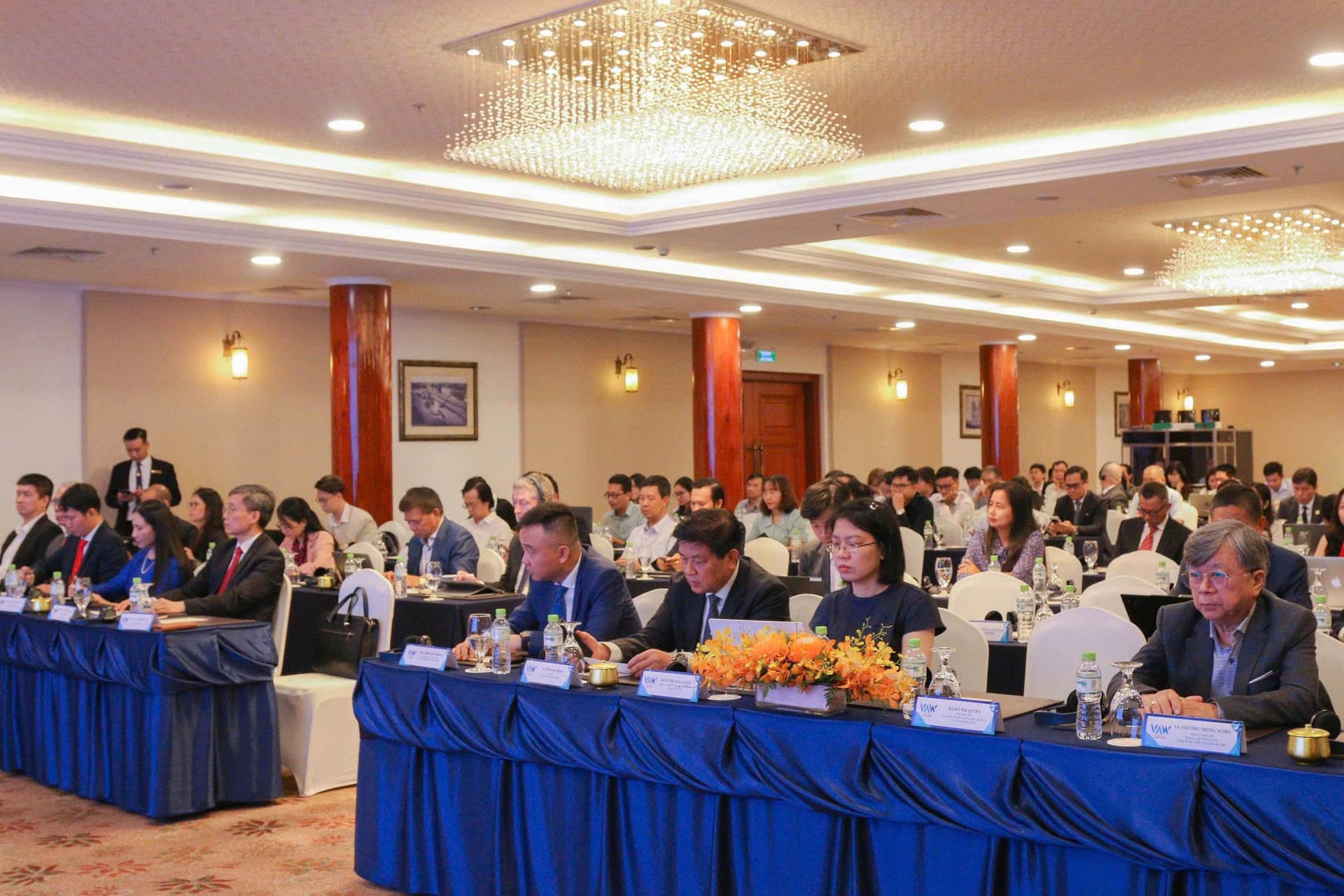
In this regard, the launch of the VIAC FinTech and Digital Economy Dispute Resolution Expert Council on the morning of May 29th represents a crucial step forward in perfecting the supportive ecosystem for the Vietnam International Financial Centre.
As fields such as FinTech, digital assets, cross-border transactions, digital payments, and digital economy models experience rapid growth, the ensuing disputes are also becoming increasingly complex. These disputes demand not only legal acumen but also specialized expertise in finance, technology, risk management, and international practices.
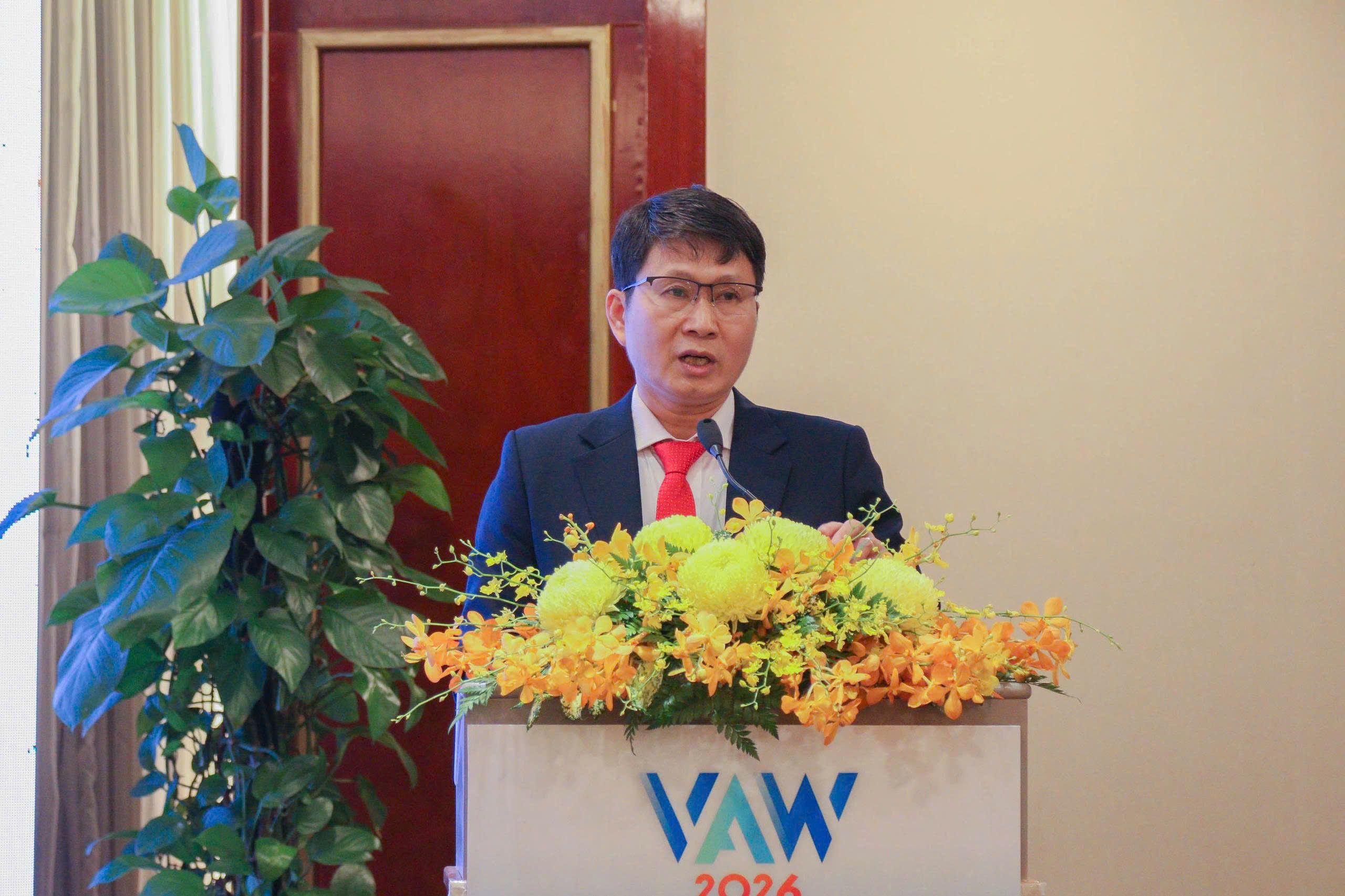
According to Mr. Hoang Huy Truong, Head of the Legal Department of the Executive Agency of VIFC-HCMC, the attractiveness of a financial center stems not only from its policies or market opportunities, but also from its capacity to protect the legitimate rights and interests of participating entities. The dispute resolution infrastructure, therefore, is not merely a tool for mitigating risks when they arise, but an integral part of the foundation of market trust.
The involvement of experts in the fields of law, finance, banking, technology, and digital assets is anticipated to contribute to establishing a more specialized dispute resolution platform, perfectly aligned with the distinct characteristics of modern financial transactions.
Regarding the development orientation of VIFC-HCMC, this is a vital component for enhancing transparency, predictability, and the level of assurance for investors, members, and partners participating in the market.
An international financial center requires not only a rapid pace of innovation but also a transparent and efficient legal foundation that closely aligns with international best practices.
Subscribe for updates
We'll send latest updates to your email address.