
MUNICIPAL BONDS VIA VIFC-HCMC: OPENING A NEW GATEWAY TO GLOBAL CAPITAL FOR INFRASTRUCTURE
Posted on 30/09/2026
Ho Chi Minh City is entering a major phase of infrastructure investment, featuring a series of metro lines, ring roads, expressways, regional connectivity projects, and urban renovation programs. This rapid development creates an urgent need to diversify medium- and long-term capital sources. According to Mr. Nguyen Van Duoc, Chairman of the Ho Chi Minh City People’s Committee, the city needs to mobilize over 3.2 trillion VND in total social investment capital for the 2026–2030 period. Of this amount, the municipal budget is expected to cover about 1.2 trillion VND, leaving approximately 2 trillion VND to be raised from other sources.
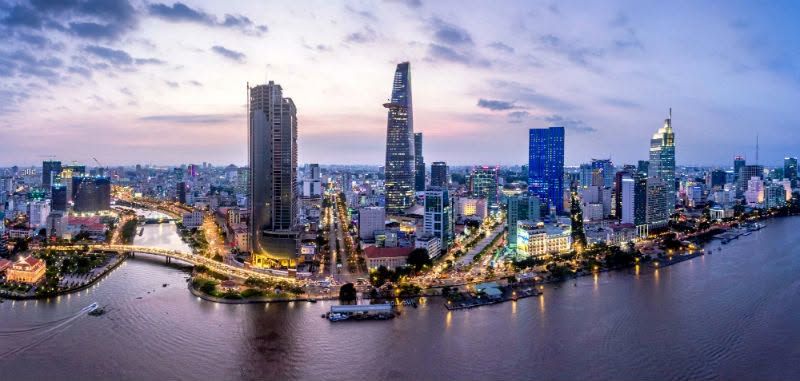
Under the Law on Urban Development, which takes effect on October 1, 2026, municipal bonds and project bonds are permitted to be issued through the Viet Nam International Financial Center in Ho Chi Minh City (VIFC-HCMC). This mechanism provides a clear legal basis for Ho Chi Minh City to access international capital directly, supplementing the state budget and traditional bank loans.
On this foundation, the Executive Agency in Ho Chi Minh City is drafting a resolution on issuing local government bonds through the VIFC to submit to the City People’s Council for consideration. Putting this mechanism into practice requires not only an issuance framework, but also a solid foundation to build investor confidence and improve capital access. Key factors such as credit ratings, repayment plans, information transparency, and risk management will determine whether municipal bonds can serve as an effective funding channel to mobilize international capital.
Assoc. Prof. Dr. Nguyen Huu Huan, Vice Chairman of the Executive Agency in Ho Chi Minh City, stated that international municipal bonds are one of the foundational products of VIFC-HCMC. This product will help diversify funding sources and ease pressure on the state budget and bank credit. The funds raised will support major metro lines, ring roads, and key infrastructure projects. The key breakthrough of this mechanism is that it allows direct access to international investors, rather than relying mainly on the domestic market as previous issuances did.
To attract global investors, experts emphasize that the city must prepare strong foundations: credit ratings, clear debt repayment schemes, and foreign exchange risk management tools. In addition, the issuance should follow a step-by-step roadmap. Debt servicing capacity, financial transparency, and fiscal discipline will be the decisive factors in turning municipal bonds into a practical, sustainable capital channel for urban infrastructure.
Subscribe for updates
We'll send latest updates to your email address.